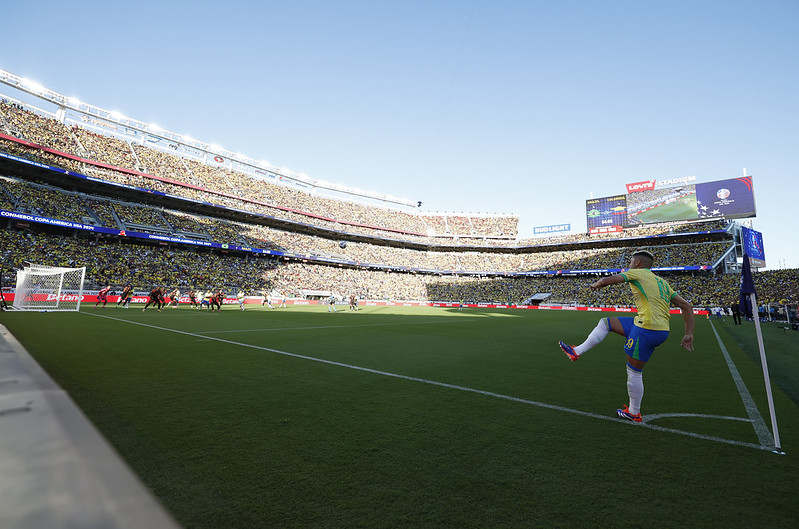
Levi’s Stadium in Santa Clara will host six matches during the 2026 World Cup.
The San Francisco Bay Area is among the list of host cities for the 2026 FIFA World Cup and comprises small towns, one next to the other. It’s one of the most iconic and diverse regions in the U.S., blending natural beauty, tech innovation, incredible food, unbeatable weather, and unique neighborhoods. The first thing you need to know is that Levi’s Stadium is much closer to San Jose than San Francisco. The stadium is in Santa Clara, on the peninsula between the two large metropolises (the third being Oakland, situated on the other side of the bay).
We’ll dive into the surrounding cities, how to get around, and easy day trips you can plan to make the most of your time in this fascinating corner of California.
Stadium Details
- Stadium: Levi’s Stadium, Santa Clara
- Capacity: 68,500
- Surface: Grass
- Roof: Open air
- MLS Team: San Jose Earthquakes (plays at PayPal Park in San Jose)
- Other Team: San Francisco 49ers (NFL)
Match Schedule
- June 13, 2026: Group stage
- June 16, 2026: Group stage
- June 19, 2026: Group stage
- June 22, 2026: Group stage
- June 25, 2026: Group stage
- July 1, 2026: Round of 32
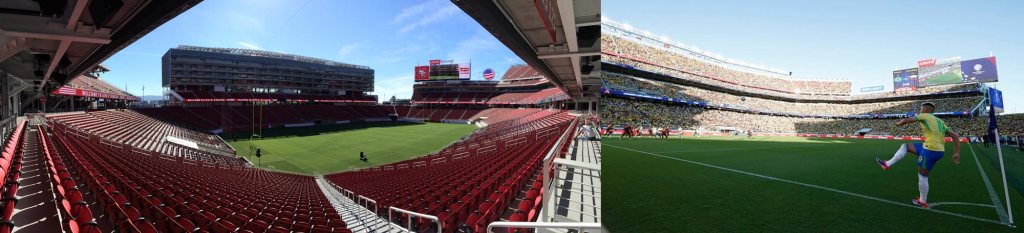
Breaking Down Top Bay Area Cities
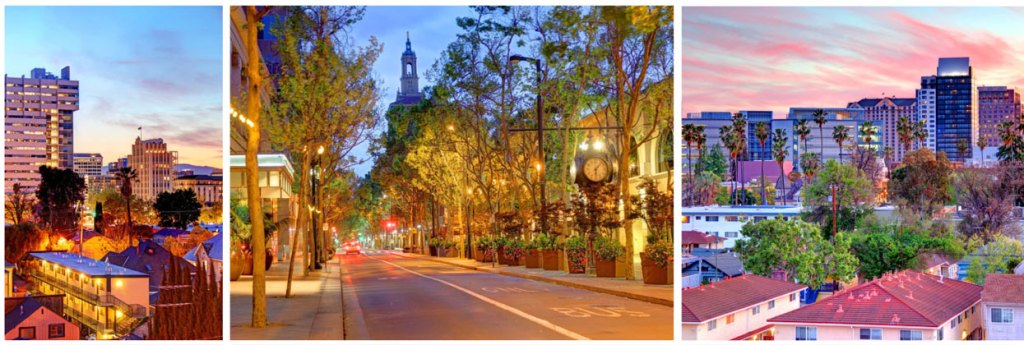
San Jose
San Jose may not have the instant name recognition of San Francisco, but it has a charm all its own. It’s more suburban and spread out, with a quieter energy, but if you know where to look, you’ll find a mix of great food, cultural gems, and laid-back local flavor. It’s the closest major city to Levi’s Stadium.
- Tourist sites: Japantown, Santana Row, Winchester Mystery House, California’s Great America
- Eat: La Foret (French), Adega (Michelin-starred Portuguese), Zona Rosa (modern Mexican), Falafel’s Drive-In, and serious pho and banh mi in East SJ
- Museums: The Tech Interactive, Children’s Discovery Museum, San Jose Museum of Art, Rosicrucian Egyptian Museum
- Distance to Stadium: Just 8 miles from downtown San Jose to Levi’s Stadium. It’s a 15–20 minute drive or light rail ride (VTA).
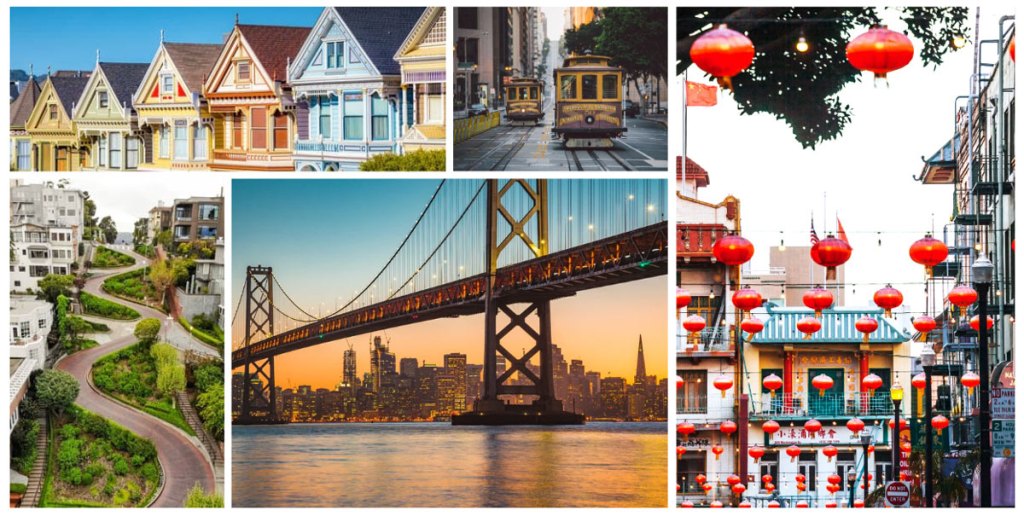
San Francisco
San Francisco is a beautiful city known for its colorful neighborhoods, hilly terrain, and iconic landmarks. It’s walkable, especially if you can handle steep hills that offer breathtaking views. With a rich blend of creativity and diversity, the city today feels very tech-oriented, so don’t be surprised to see self-driving cars next to historic buildings.
- Tourist sites: Fisherman’s Wharf, Golden Gate Bridge, Lombard Street, Alcatraz Island
- Other fun sites: Chinatown & North Beach, Lands End hike, Dolores Park, Haight-Ashbury & Golden Gate Park, Ferry Building Marketplace, Grace Cathedral
- Eat: Depending on your mood and location, try: Delfina (Italian/Mission), Yank Sing (Dim Sum/FiDi), Shizen (Vegan Sushi/Mission), Chez Maman (French/Hayes Valley), La Mar (Ceviche/Embarcadero)
- Museums: De Young, Legion of Honor, SFMOMA, Cal Academy, Exploratorium
- Distance to Stadium: About 40 miles from downtown San Francisco to Levi’s Stadium. Driving can take 1–1.5 hours, depending on traffic. About 1.5 hours in public transportation
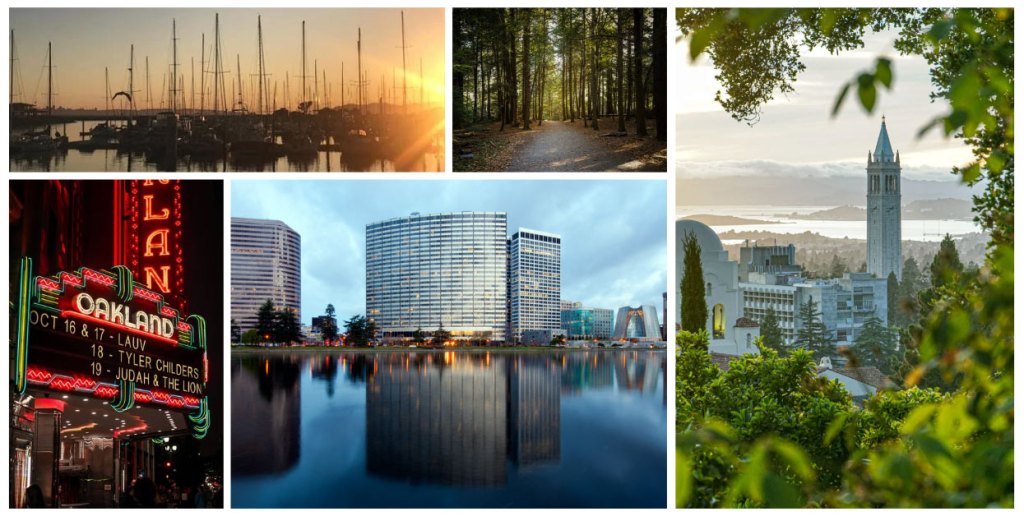
Oakland & Berkeley
Just across the Bay Bridge from San Francisco, Oakland and Berkeley are buzzing with creativity, grit, and culture. From world-class food to political history, these East Bay cities have something truly authentic to offer.
- Tourist sites: Jack London Square, Lake Merritt, UC Berkeley, Oakland Zoo
- Other fun sites: Temescal nightlife, local music venues, Paramount & Fox theaters, Joaquin Miller & Tilden Parks
- Eat: Oakland has been named the #1 food city in the US. Try: Pizzaiolo (Italian), Bombera (Mexican), Jo’s Modern Thai, Limón (Peruvian), Mensho (Ramen), Drake’s Dealership (Beergarden), or just explore Piedmont Ave & Temescal. Berkeley is another excellent food destination, you can find: Cheese Board Collective (Pizzeria), La Note (Brunch), Chez Panisse (Californian), Tacubaya (Mexican), or visit the Gourmet Ghetto or Elmwood
- Art Scene: Don’t miss Oakland Art Murmur’s First Fridays—an open-air block party with art, murals, music, and food trucks
- Distance to Stadium: About 45 miles from downtown Oakland or Berkeley. Driving takes roughly 45 minutes to 1.5 hours, depending on traffic. Public transit takes about 1.5 hours
- Note on Safety: Oakland has amazing neighborhoods, but be mindful of where you stay. We recommend areas like Rockridge, Piedmont, Temescal Ave, Uptown, or near Lake Merritt, and advise against staying in West Oakland or more isolated neighborhoods
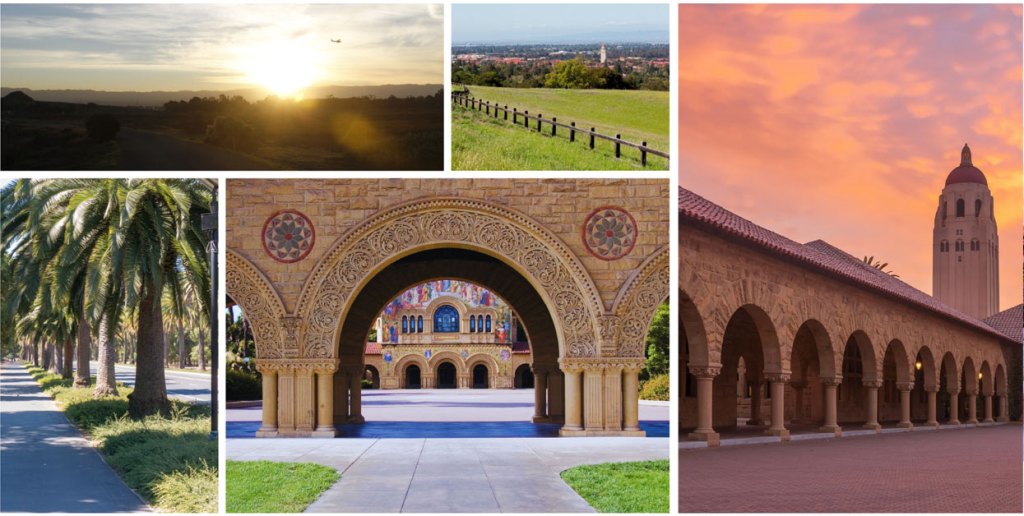
Palo Alto & The Peninsula
This is where innovation meets laid-back luxury. Palo Alto and the surrounding Peninsula towns blend suburban life with parks, beautiful trails, and cozy downtowns. It’s a place to stroll, sip a great latte, and spot a founder or two on their bike.
- Tourist sites: Stanford University, HP Garage (the birthplace of Silicon Valley)
- Other fun sites: University Ave, Burlingame downtown, Foothills Park, Rancho San Antonio, Baylands Preserve, Sand Hill Road
- Eat: Evvia (Mediterranean), Teleferic (Spanish tapas), Terun (Pizza), Rangoon Ruby (Burmese), Zareen’s (Pakistani), Vino Locale (wine & bites)
- Museums: Computer History Museum, Cantor Arts Center, Anderson Collection, Rodin Sculpture Garden
- Distance to Stadium: It is 15–20 miles from Palo Alto. Depending on traffic, driving usually takes 25–45 minutes, and public transit takes about 1 hour.
Getting Around

Rail Transit Map of the Bay Area’s passenger rail routes
The Bay Area might look compact on a map, but it’s more spread out than you’d think, and getting around can be tricky. Public transportation exists, but it doesn’t go everywhere — so if you’re hopping between cities or heading to the coast, consider renting a car. Just be ready for game-day traffic: bring your patience, a solid playlist, and be mindful of parking — it can get pricey and complicated. Bikes are allowed on BART and Caltrain, and many trains have dedicated bike cars or racks, making it a flexible, traffic-free way to explore neighborhoods. If you opt for public transit, you’ll need a Clipper card — but the good news is, you can add it right to your phone via Apple or Google Wallet for easy tap-and-go access.
- Caltrain is a great option for traveling between San Francisco and San Jose, with stops in most towns along the way. Just keep in mind it’s not the fastest—it stops frequently, and trains can get crowded during rush hour with daily commuters.
- BART is a subway-like system connecting San Francisco with Oakland and Berkeley (East Bay). It is fast and affordable, but doesn’t reach San Jose or Santa Clara.
- VTA Light Rail connects parts of San Jose with Levi’s Stadium, is reliable but slow.
- Rideshare: Uber and Lyft are everywhere. Expect long waits and price surges after matches.
- Bike: Aside from San Francisco’s hills, most of the Peninsula and East Bay are relatively flat, making biking an excellent option for getting around locally. Remember that distances between cities can be long, so you’ll likely need to combine your ride with public transit. And a quick tip: lock your wheels and frame — bike thefts happen fast around here.
- Inter-City Transportation: Because the Bay Area is made up of multiple cities, you’ll find different transit systems depending on where you are. San Francisco has Muni buses and light rail, the East Bay uses AC Transit, and the South Bay is served by VTA. While these buses and local systems can be helpful for short, in-town trips, they’re generally slow and not ideal for cross-city travel. They can also be a bit confusing for visitors. Your best bet is to use Google Maps to check real-time schedules and routes.
- Driving: This might be your best option for exploring the area and doing some short trips, but be ready for packed highways. Parking can be expensive or hard to find near venues.
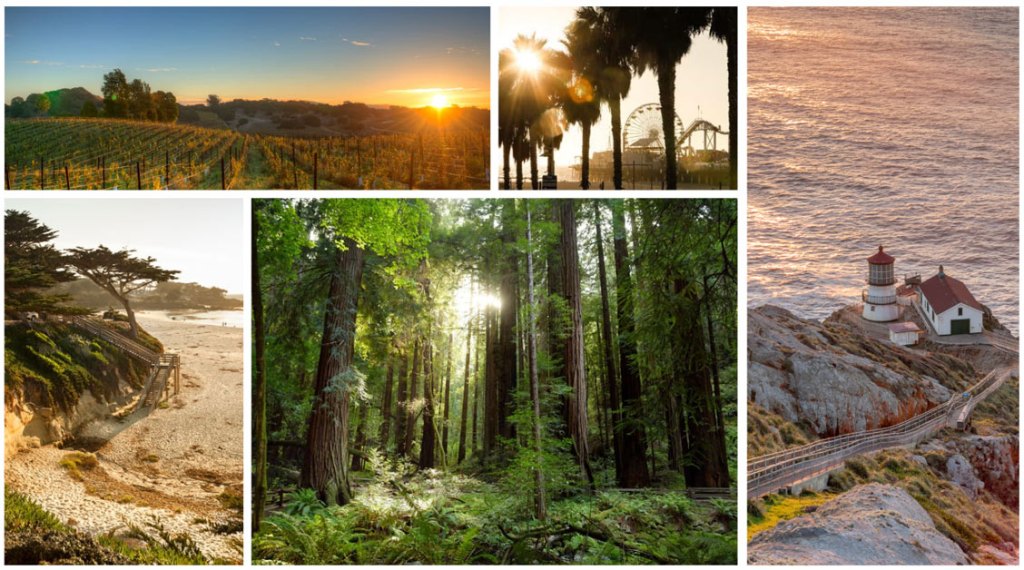 Epic Day Trips & Weekend Escapes
The Bay Area is surrounded by incredible nature, picturesque towns, and world-class destinations. It’s worth staying a few extra days just to explore! Here are some top picks:
- Muir Woods + Sausalito: Just north of the Golden Gate, this area near Mill Valley is packed with charm and history. You can hike through Muir Woods’ towering redwoods — some of the tallest trees on Earth — or explore the trails leading to hidden beaches and dramatic viewpoints. Afterward, head to upscale Sausalito for lunch with sweeping views of San Francisco and some of the Bay’s best seafood restaurants.
- Sonoma Valley & Napa Valley: Wine country is just an hour north of San Francisco, and both valleys offer stunning scenery, rolling vineyards, and world-class wine. Sonoma is more laid-back and local — think cozy tasting rooms, farm-to-table eats, and small-town charm. Napa is polished and structured, with larger estates, Michelin-starred restaurants, and luxury resorts. If you have time, don’t miss the Russian River area for hidden gems, kayaking, and forested riverfront wineries.
- Santa Cruz: About 1.5 hours south of San Francisco, Santa Cruz has a surfy, bohemian feel, with tacos, tidepools, redwood hikes, and a nostalgic beachfront boardwalk. It’s perfect for a sunny day trip filled with local flavor.
- Monterey & Carmel: Explore the famous Monterey Bay Aquarium, then cruise the scenic 17-mile drive to Carmel’s white-sand beach and art galleries.
- Point Reyes: A beautiful peninsula just north of SF. Expect dramatic cliffs, tule elk, historic lighthouses, and oyster shacks. A dream spot for hikers and anyone craving wide-open skies and Pacific air. In general, the Bay Area coastline is breathtaking; not necessarily for swimming (the Pacific’s cold!), but perfect for picnics, long walks, and impressive views. Depending on where you’re staying, you can also explore Half Moon Bay, Pescadero, Ocean Beach, or further stretches like Bodega Bay and Montara. There’s something deeply grounding about a sunset by the sea out here.
- Japanese Gardens (San Jose & San Francisco): If you need a short break, San Jose’s garden is a hidden gem inside Kelley Park — tranquil, spacious, and perfect for a quiet stroll. In San Francisco, the Japanese Tea Garden in Golden Gate Park offers beautifully manicured paths, koi ponds, and a historic tea house — the oldest public Japanese garden in the U.S.





 Countdown to 2026
Leave a reply to Los Angeles: Everything you need to know about the 2026 World Cup host city – Countdown to 2026 Cancel reply